
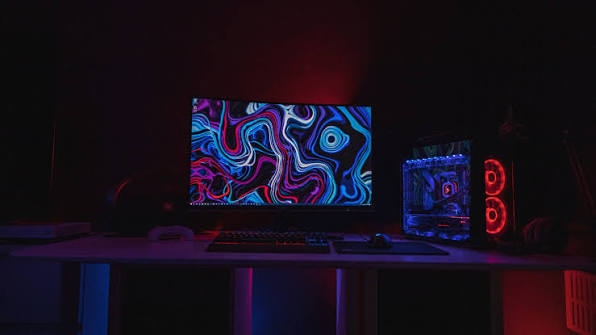
Many players start with basic equipment and gradually improve their space over time. A good setup begins with choosing the right monitor size and type for your preferred games. Consider resolution and refresh rate based on the titles you play most. Comfortable seating makes long sessions more enjoyable and helps maintain focus.
The computer forms the heart of any gaming setup. Select components that match your budget and performance needs. Graphics cards and processors handle demanding titles effectively when paired correctly. Storage speed matters for quick load times in open world games. Proper cooling prevents performance drops during extended play.
Accessories complete the experience and improve daily use. Mechanical keyboards offer better feedback during fast inputs. Quality headsets deliver clear audio for both game sounds and communication. Mouse choice affects precision in different genres. Cable management keeps the area tidy and reduces distractions.
Lighting and room arrangement influence mood and eye comfort. Adjustable desk height supports better posture over hours. Background noise control helps concentration. Many gamers add personal touches that make the space feel inviting. Starting simple and upgrading pieces gradually leads to satisfying results without overspending at once.
A strong setup grows with your interests and available resources. Regular maintenance keeps everything running smoothly for years. Testing different configurations helps find what works best for your play style. The goal remains enjoying games comfortably for as long as you want. Players often share their progress online and learn useful tips from others facing similar choices.
 admin
admin