
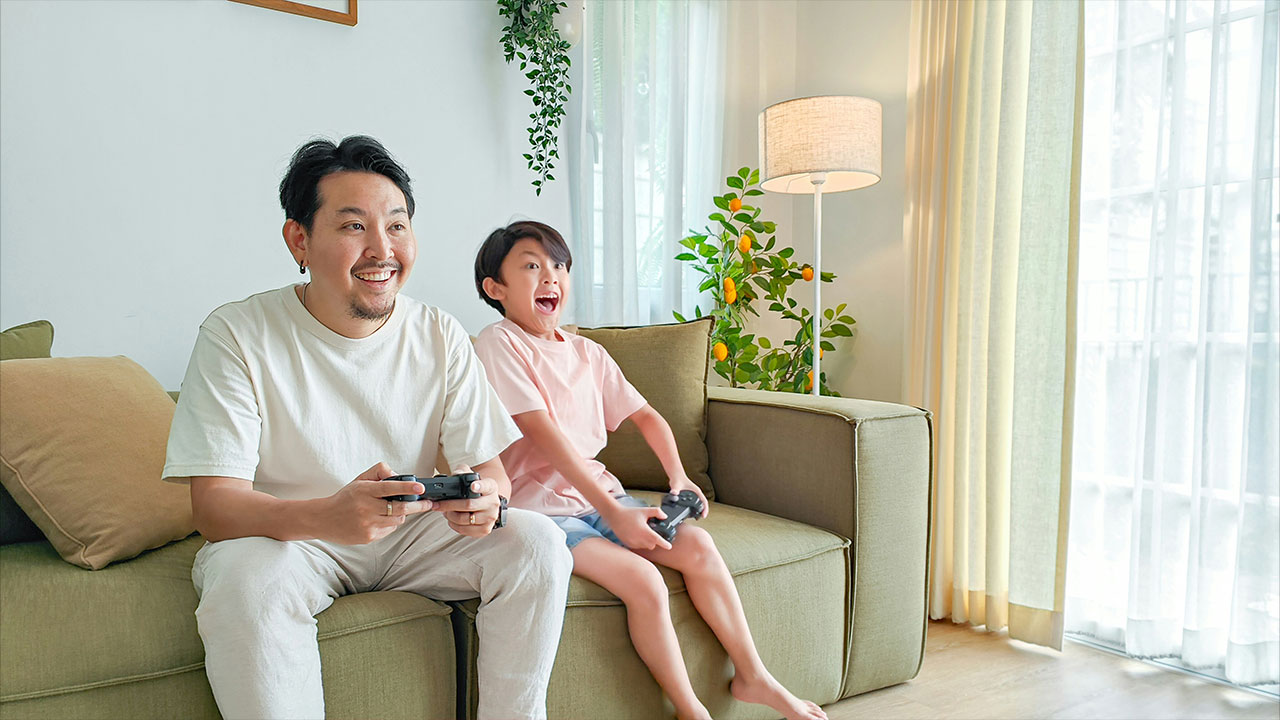
Setting clear session limits helps maintain balance with other daily activities. Many players schedule specific times for gaming and stick to them consistently. Short breaks during longer sessions reduce fatigue and improve focus when returning. Tracking playtime provides useful insights into habits over weeks and months.
Prioritizing different activities creates space for both gaming and real-life responsibilities. Some gamers combine hobbies by listening to podcasts or streams while handling routine tasks. Family and friends appreciate when gaming does not interfere with shared plans. Small adjustments often lead to better overall satisfaction.
Game selection influences how much time feels well spent. Choosing titles with natural stopping points prevents endless sessions. Single player experiences with chapters work well for controlled play. Multiplayer games benefit from pre-agreed match limits with friends.
Regular reviews of gaming routines allow necessary changes when life shifts. Physical activity and social connections complement screen time effectively. Many players discover that moderate gaming enhances relaxation rather than replacing other interests. The key involves finding personal limits that support long-term enjoyment without regret.
Tools and features within games sometimes assist with time awareness. Notifications and progress trackers offer gentle reminders during sessions. Community discussions provide perspectives from others managing similar challenges. Balanced approaches help sustain interest in gaming for many years.
 admin
admin